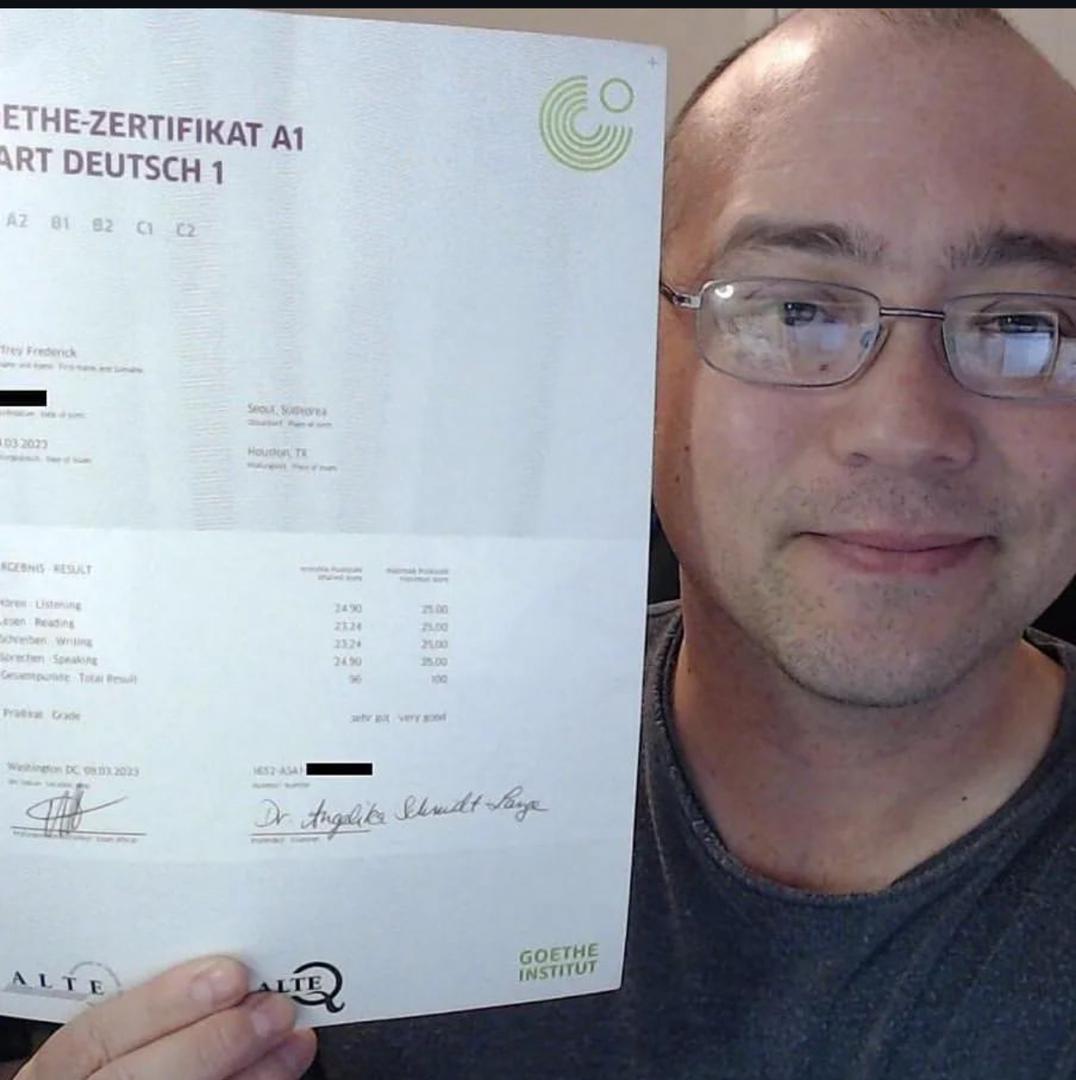
Why Buy B2 Certificate Isn't A Topic That People Are Interested In Buy B2 Certificate
The Allure and Illusion of Buying a B2 Certificate: Navigating the Path to Language Proficiency
In an increasingly interconnected world, showing efficiency in a foreign language has ended up being an important asset. For numerous, a B2 level certificate, as defined by the Common European Framework of Reference for Languages (CEFR), marks a significant milestone. It symbolizes upper-intermediate language skills, typically required for academic pursuits, professional advancement, and even immigration functions. Confronted with these pressures, some individuals might find themselves tempted by the apparently fast and simple option of “buying” a B2 certificate. However, beneath the surface appeal lies a complex web of ethical problems, legal threats, and ultimately, a problematic approach to genuine language acquisition. This short article will look into the realities of B2 certificates, explore the misleading appeal of acquiring them, and emphasize the value of pursuing genuine pathways to language proficiency and certification.
Understanding the Significance of a B2 Certificate
Before resolving the controversial topic of purchasing certificates, it's essential to understand what a B2 certificate really represents. The CEFR, a commonly recognized international standard, describes language proficiency across six levels, from A1 (Beginner) to C2 (Proficiency). A B2 level, frequently referred to as “Vantage” or “Upper Intermediate,” indicates a considerable level of language competence. People at this level can:
- Understand the main concepts of complicated texts on both concrete and abstract subjects, consisting of technical conversations in their field of specialization.
- Connect with a degree of fluency and spontaneity that makes routine interaction with native speakers quite possible without stress for either party.
- Produce clear, in-depth text on a wide variety of subjects and explain a perspective on a topical problem giving the advantages and disadvantages of different options.
Attaining B2 level proficiency demonstrates a substantial investment in language learning and symbolizes the capability to successfully utilize the language in different real-world circumstances. This is why B2 certificates are typically demanded for:
- University Admissions: Many universities, particularly in English-speaking nations or for programs taught in English, require proof of B2 level English efficiency for global students.
- Expert Opportunities: In today's globalized job market, showing B2 level in an appropriate language can considerably boost profession prospects. Numerous companies look for prospects who can interact effectively with worldwide customers and colleagues.
- Immigration Requirements: Certain countries require candidates to show a specific level of language efficiency, often B2 or greater, as part of their migration procedure.
- Individual Growth and Development: Beyond external requirements, reaching B2 level proficiency is a rewarding personal accomplishment. It opens access to brand-new cultures, viewpoints, and opportunities for connection.
The Shadowy World of Purchased Certificates: Why “Buying” is a Mistake
Given the worth and significance of a B2 certificate, it's understandable why some might be lured by the notion of simply purchasing one, bypassing the often lengthy and difficult process of language knowing and examination. The internet is sadly rife with websites and individuals offering to sell language certificates, consisting of B2 level, for a cost. These offerings frequently victimize individuals seeking a quick fix, appealing ensured certificates with no real assessment of language skills.
Nevertheless, engaging in such deals is filled with threats and ethical compromises. Here's why “purchasing” a B2 certificate is essentially flawed and ought to be unequivocally prevented:
Ethical Deception and Fraud: Purchasing a certificate is inherently unethical. It's a purposeful effort to misrepresent one's language abilities, deceiving organizations, employers, and migration authorities. This act of deceptiveness is unethical and weakens the stability of language accreditation systems.
Lack of Genuine Proficiency: A bought certificate is a useless notepad. It doesn't magically bestow the language skills it purports to represent. People with fake certificates do not have the actual proficiency required to function successfully in scenarios where B2 level language skills is anticipated. This can result in considerable troubles in scholastic settings, expert environments, or in everyday life in a foreign language context.
Serious Consequences and Detection: Institutions and organizations that require B2 certificates are ending up being significantly skilled at detecting deceitful documents. This can involve verifying certificates straight with releasing bodies, inspecting certificate details, and even conducting language evaluations to verify reported proficiency levels. If a bought certificate is discovered, the consequences can be extreme, consisting of:
- Rejection of University Applications or Job Applications: A phony certificate will right away disqualify a candidate.
- Dismissal from University Programs or Employment: If discovered after approval or work, it can cause expulsion or termination.
- Legal Ramifications: In some jurisdictions, presenting a deceptive file can have legal repercussions, varying from fines to more severe charges depending on the intent and context.
- Reputational Damage: Being captured with a phony certificate can severely damage one's reputation and future prospects. Word can spread out rapidly, and trust is easily broken.
Weakening Legitimate Certification: The market for fake certificates undermines the value and credibility of real language certifications. It produces unfair competition for those who have vigilantly worked to achieve their language efficiency through genuine means.
The Right Path: Earning a B2 Certificate Through Legitimate Means
The only ethically sound and eventually helpful way to acquire a B2 certificate is to earn it through committed language learning and by passing an acknowledged and credible language proficiency exam. This pathway, while needing effort and time, uses genuine rewards and long-term value.
Here's a breakdown of the legitimate course to B2 certification:
1. Language Learning and Skill Development:
- Structured Courses: Enrolling in a reliable language school or online course particularly developed to prepare trainees for B2 level tests is highly suggested. These courses supply structured learning, specialist guidance, and opportunities for practice and feedback.
- Self-Study with Quality Resources: For determined students, self-study can be efficient, especially when integrated with top quality textbooks, online resources, language learning apps, and genuine products like books, posts, podcasts, and movies in the target language.
- Immersion and Practice: Actively immersing oneself in the language is vital. This can include:
- Speaking Practice: Engaging in discussions with native speakers (online or in person), language exchange partners, or tutors. Signing up with conversation groups or language clubs.
- Listening Practice: Consistently listening to podcasts, radio broadcasts, music, and watching movies and television shows in the target language.
- Reading Practice: Reading books, short articles, news websites, and online forums in the target language.
- Writing Practice: Writing essays, e-mails, journal entries, and getting involved in online writing communities.
2. Picking a Recognized B2 Exam:
Several credible companies provide internationally recognized B2 level tests in various languages. A few of the most widely accepted English language B2 tests consist of:
- Cambridge English Qualifications (B2 First): An extensively recognized and appreciated qualification from Cambridge Assessment English.
- IELTS (International English Language Testing System): Accepted by universities, employers, and immigration authorities worldwide. Both Academic and General Training versions are available, with Academic normally preferred for university admissions.
- TOEFL iBT (Test of English as a Foreign Language): Primarily utilized for university admissions in North America and other English-speaking countries.
- PTE Academic (Pearson Test of English Academic): A computer-based test accepted by numerous organizations worldwide.
For other languages, such as French, Spanish, German, and so on, reliable organizations like the Alliance Française (DELF B2 for French), Instituto Cervantes (DELE B2 for Spanish), and Goethe-Institut (Goethe-Zertifikat B2 for German) provide acknowledged B2 level tests.
3. Getting ready for the Exam:
- Understand the Exam Format: Familiarize yourself with the particular format of your picked exam, consisting of the different sections, concern types, time frame, and scoring criteria.
- Experiment Official Materials: Utilize main practice tests and sample papers supplied by the exam board. This is crucial for comprehending the exam level and practicing test-taking methods.
- Focus on Weak Areas: Identify your weaker language skills (reading, composing, listening, speaking) and commit additional time and effort to enhance them.
- Seek Feedback and Guidance: If possible, get feedback on your practice tests and writing/speaking samples from a competent language instructor or tutor.
- Develop Test-Taking Strategies: Learn effective time management strategies, question-answering techniques, and ways to lessen errors during the exam.
In Conclusion: Invest in Genuine Proficiency, Not Illusions
While the temptation of a fast repair like purchasing a B2 certificate may be reasonable in the face of pressure and deadlines, it is eventually a self-defeating and dishonest path. It offers a false sense of accomplishment and can cause severe unfavorable repercussions. The true worth depends on the journey of language discovering itself and the real efficiency acquired along the method. Earning a B2 certificate through genuine study and examination is a testimony to effort, commitment, and real language skills. This accomplishment will not just open doors to chances but also supply a strong foundation for future personal and expert growth in a progressively globalized world. Invest in yourself, buy learning, and make your B2 certificate the right way— the rewards will be far greater and more enduring than any fake document could ever supply.
- * *
Often Asked Questions (FAQs) about B2 Certificates
Q1: What exactly is a B2 certificate?
A1: A B2 certificate is a formal file that proves a person's language proficiency is at the B2 level according to the Common European Framework of Reference for Languages (CEFR). It signifies upper-intermediate language abilities, making it possible for reliable communication in different contexts.
Q2: Why do individuals require a B2 certificate?
A2: B2 certificates are often required for university admissions (particularly for worldwide students and programs in a foreign language), expert improvement, visa and migration functions, and as evidence of language competency for various individual and expert objectives.
Q3: Is it possible to legally buy a B2 certificate?
A3: No, it is not legal or ethical to buy a legitimate B2 certificate. Any website or private offering to sell you a certificate without taking a main exam is offering a deceptive file. Real B2 certificates are only released by licensed examination boards after effective completion of a recognized exam.
Q4: What are the threats of buying a fake B2 certificate?
A4: The dangers are substantial and include:
- Detection and Rejection: Institutions and companies are significantly sophisticated in identifying phony certificates.
- Legal Consequences: Presenting a deceptive document can have legal implications.
- Reputational Damage: Being captured with a phony certificate can badly damage your reputation.
- Absence of Real Skills: You will lack the actual language skills the certificate is expected to represent, impeding your performance in scholastic or professional settings.
Q5: How can I get a real B2 certificate?
A5: The only genuine way is to:
- Learn and enhance your language abilities to B2 level through courses, self-study, and practice.
- Pick an acknowledged B2 exam from a respectable examination board (e.g., Cambridge English, IELTS, TOEFL, DELF, DELE, Goethe-Zertifikat).
- Prepare thoroughly for the picked exam using main materials and practice tests.
- Take and pass the official exam.
Q6: How long does it take to reach B2 level?
A6: The time required varies depending upon your starting level, learning aptitude, intensity of study, and language background. On C2 Zertifikat , it might take several hundred hours of research study to progress from a novice level to B2. Starting from an intermediate level will naturally take less time. Constant and dedicated effort is key.
Q7: Which B2 exam should I select?
A7: The best exam depends on your specific needs and preferences. Consider:
- Purpose: Is it for university, work, or immigration? Some organizations or companies might choose particular examinations.
- Recognition: Ensure the exam is commonly acknowledged and accepted by the companies you require it for.
- Format and Style: Research the format and concern kinds of various tests to see which fits your learning design best.
- Schedule and Cost: Check the availability of test centers and exam dates in your place and compare exam charges.
Q8: What are some good resources for getting ready for a B2 exam?
A8: Good resources consist of:
- Official exam preparation books and practice tests from the exam board.
- Online courses and language finding out platforms particularly designed for B2 level examinations.
- Language exchange partners and tutors for speaking and writing practice.
- Genuine materials like books, short articles, podcasts, and films in the target language.
- Language learning apps and websites for vocabulary and grammar practice.
By understanding the real value of a B2 certificate and the significance of earning it legally, people can make informed choices and start a rewarding journey of language acquisition that will serve them well in the long run.